Flirting with film
Introduction
The year is 2011. I’ve just bought my first camera with money that I’ve saved from my first job, a Canon EOS 1000D. The camera that kickstarted my love for photography - along with a lot of trial and error with various photography clichés. Think selective colouring, making every photo HDR and absolutely rinsing every single slider in Adobe Lightroom (the logic being that I’ve paid for it, I may as well use them🥴)
A lot has changed with my photography in the 14 years since then. Two things have been consistent though: my photography has developed (excuse the pun) and I’ve always used a digital camera.
Now, I remember film cameras. They were the very first cameras I used. I was born in an era where digital cameras were about to emerge from their infancy, analog was largely king. However, my experience with them literally extends to being gifted disposable cameras that would make an appearance on holidays as a kid. I never for one moment gave photography any real thought at the time, and why would I?
How many 8-year-olds on a summer holiday pay attention to composition, light and what actually makes for a decent and interesting photo? I certainly didn’t. All I really knew was that the camera I was holding had a limited amount of exposures and that mum or dad would need to take the roll of film to Boots to be developed. As someone who now loves and appreciates photography, I look back and almost feel a twinge of guilt for wasting my parents hard-earned money on developing photos that were well, utter dogshit.
Fast forward to April last year. I’m at a point where editing can definitely feel like a massive chore at times and it’s overwhelming having many thousands of photos that I need to sort through from various trips and days out.
I’ve literally gone from using a disposable camera as a child to at times feeling that photography today is ‘disposable’ - when you can rely on high burst rates and seemingly everlasting storage, you don’t really think too much about it other than thinking “this looks quite good, better take a photo.”
where it started
This is where my idea of purchasing my first analog camera came from, the beauty of heading out with a limited number of exposures. It forces you to slow down, to be more considerate and to really think about light, composition and waiting for the right moments.
Admittedly, I should have done a bit (actually, a lot) more homework and purchased something a lot more beginner friendly, but I don’t do things by halves (where’s the fun in that!)
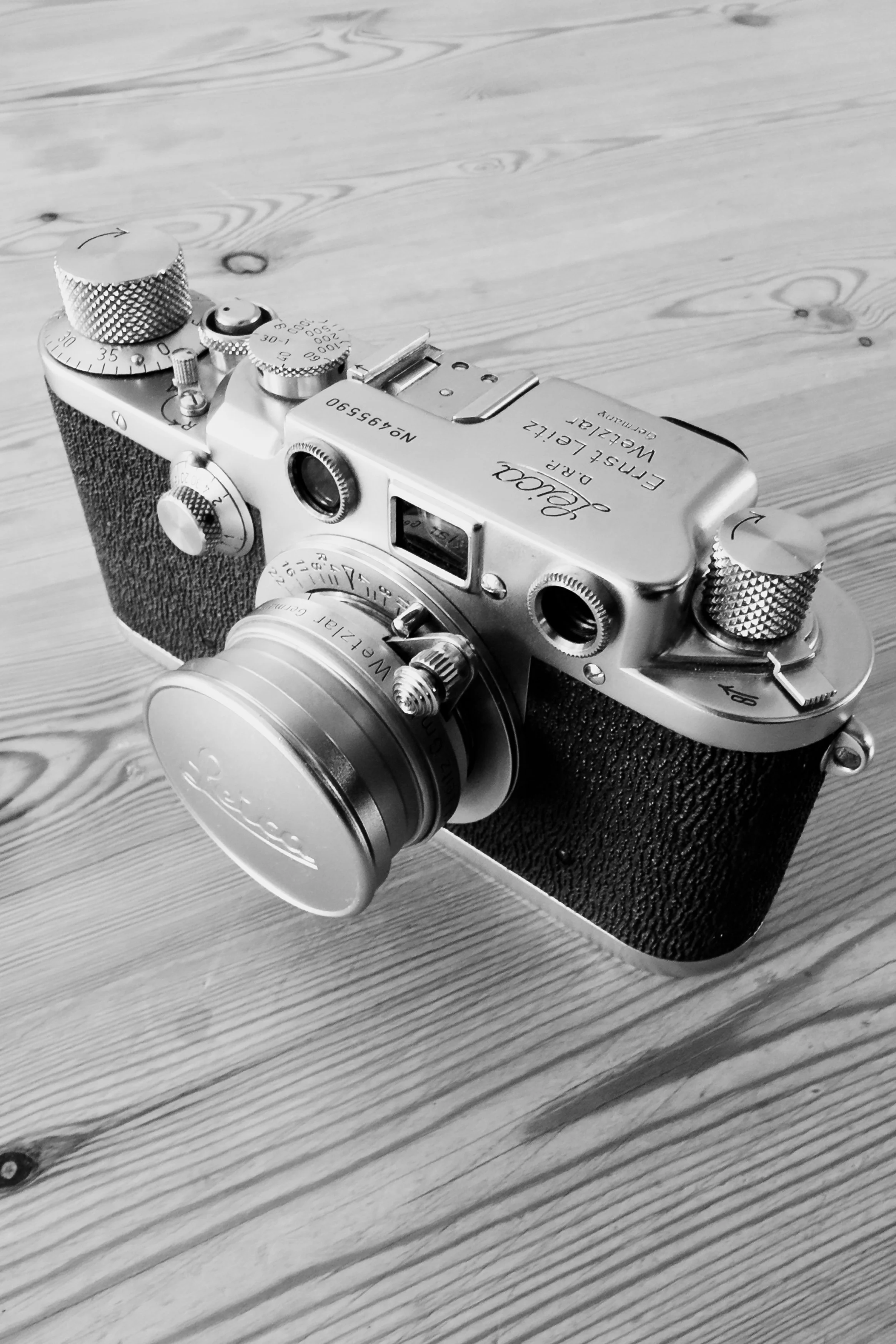
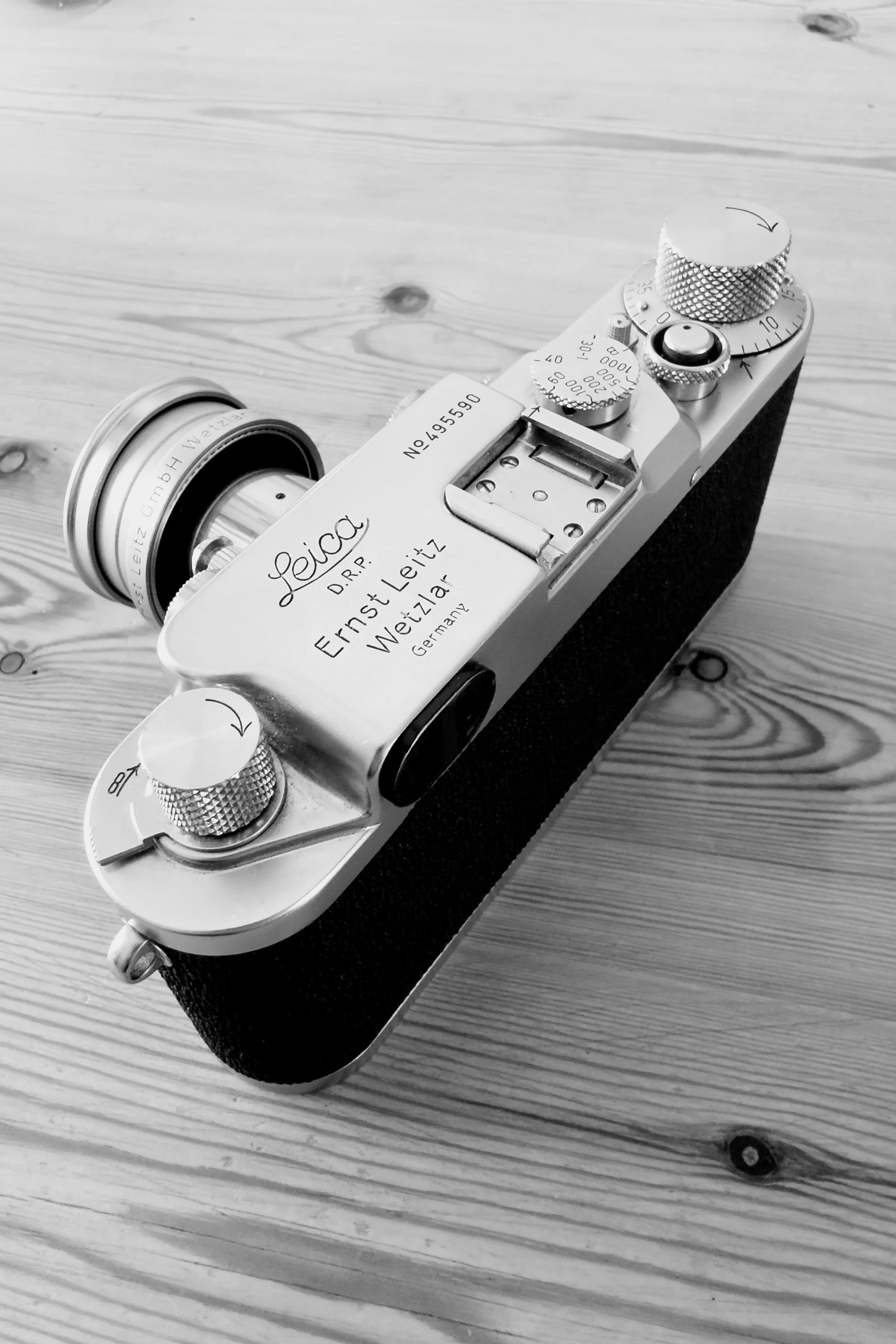
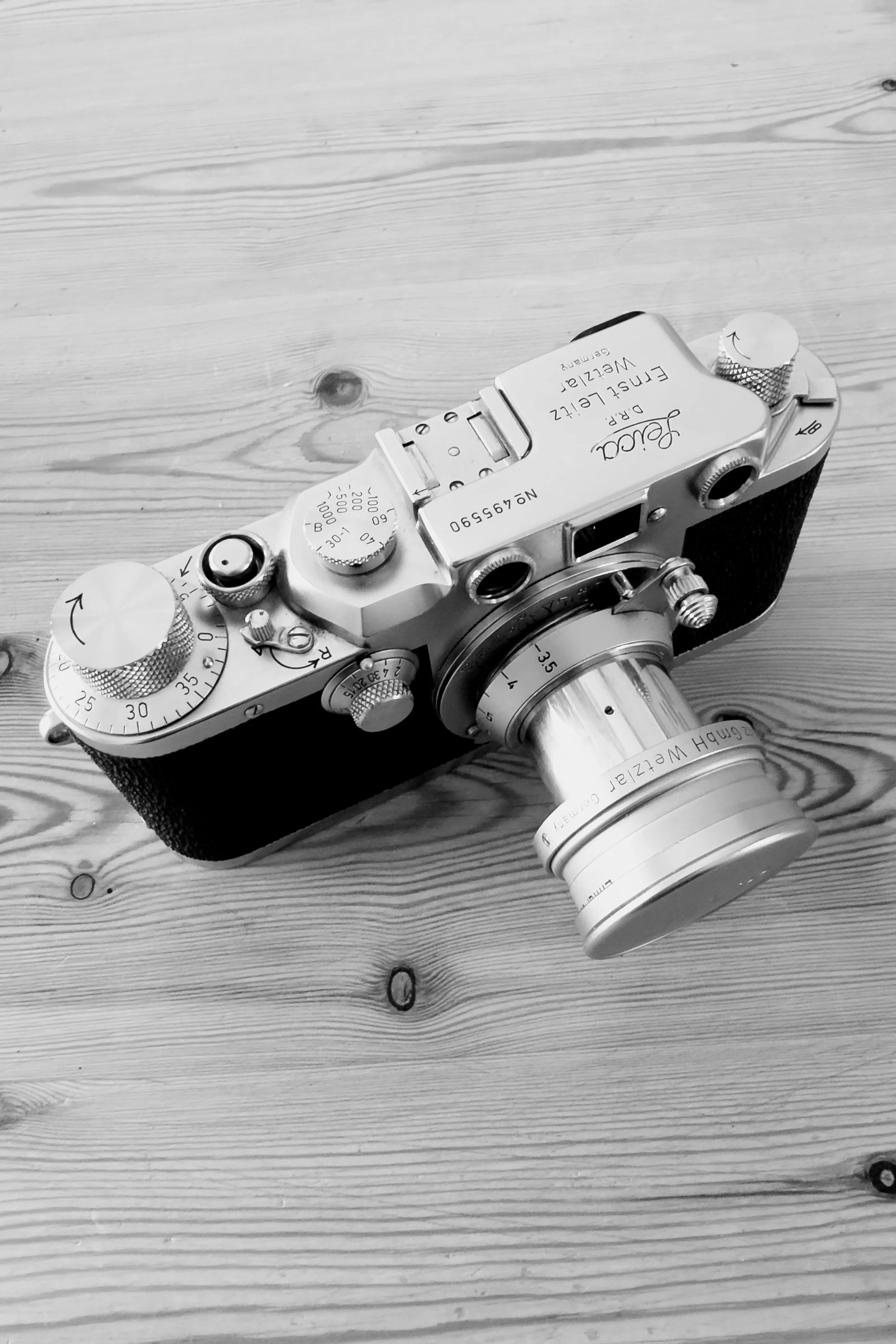
But there it was, a 1954 Leica IIIc with the Elmar Wetzlar 5cm collapsible lens. A bit challenging to use for an analog novice. But beautiful, exotic and vintage in equal measure. It was on eBay in remarkable condition for its age at an even more remarkable price.
Described as being in full working order, it even included original promotional material. So, relying on good seller feedback sprinkled with a dash of hoping that it’s not all too good to be true and that I wasn’t going to receive a brick in a box instead of vintage German craftsmanship through the post, a tense bidding war ensued (I should categorically state that this was very sensible and I didn’t pay over the odds for it)
Anyway, all was well, and I received exactly what was described. I won’t delve into looks too much, the pictures speak for themselves. In short, it’s stunning. If I do ramble on about its appearance, this blog post becomes more about its looks rather than my experience with analog photography.
Yes, it’s very cool owning a Leica. However, as I held it in my hands I thought less about the name and couldn’t help but marvel about how well kept it is for something that was manufactured in 1950. I still pick it up and wonder about who has held it before, where it’s been, the photos it’s taken and the stories it could tell if it could speak.
learning the hard way
So, getting to the nitty gritty. What’s it like to shoot with? Honestly, it’s been an experience. I’m well aware that what I’m about to write sets me up to be exposed (wahey, another pun!) as a complete idiot, but I’m willing to accept that.
There are a few quirks with owning a vintage camera like this. The first being that you don’t simply put a roll of 35mm film in and head out and shoot. The leader needs to ideally be trimmed to avoid it being caught inside the camera. This involves a bit of trial and error, first of all to get it to the right length, trying to get it to sit nicely in the take up spool and then making sure it’s aligned correctly. Something I am relatively confident with doing now, it’s just a bit fiddly.
I think I ended up wasting a couple of rolls of film during this process alone. Thankfully, purpose-built templates exist which makes this easier.
Anyway, after having more or less mastered trimming the leader and getting film to advance, it was time for my first trip with this camera to Philadelphia and Washington D.C. - perfect opportunity to put it through its paces.
For those of you I haven’t bored to tears from this post so far, you might recall that it comes with a collapsible lens. This is primarily to make it more compact (I would go as far as saying that if it wasn’t for the weight, this setup would actually feel quite comfortable in a jacket pocket). However, this requires you to pull the lens out and this is the key thing - twist it to lock it into position.
No free roll of film for guessing who didn't realise this and subsequently came back with a grand total of 3 images that were in focus? Yes, moi.
At this point it would have been quite easy to hold my head in my hands, sob, contemplate my decision to venture into analog photography and declare it a complete ballache, but determined to get used to it, I persevered. “It’s not you, Leica, it’s me. It’s just getting used to it.”
On the bright side, I highly recommend Philadelphia - the Philly cheesesteak I had whilst I was away may be up there with one of the best things I have ever eaten. 🤷🏻♂️
The third and final quirk is composing your shot. For anyone not familiar with an early rangefinder, it comes with two viewing windows on the rear of the camera, as opposed to one on a regular camera. One window is used for framing the shot. On the Leica III, this often feels like trying to frame a composition whilst looking through one of those spy holes in a hotel room door.
The second window is used for focusing and you see a duplicate, split image. When moving the focus lever so both images in the window are aligned and appear as one, everything is then essentially in focus, and you’re good to press the shutter.
Composing and focusing is not exactly easy, especially with street photography or low light. You do get used to it, but it’s a moment that hits home where you realise that this camera definitely isn’t suitable for all subjects, which is what I knew anyway.
light at the end of the tunnel
Now, I always get nervous when I send rolls of film off to be developed. A roll of film is around £8-10 and developing and scanning is usually around £10-20 too. When it doesn’t turn out well, you get that initial feeling that you may as well have set fire to a £20 note and saved yourself from wasting time and feeling deflated.
However, when it does pay off, it’s a great feeling. When I had my first photos from this developed and scanned and they came out well, I was elated and relieved in equal measure. Elated that I finally had something worth sharing and relieved that this camera wasn’t a fossil in a pretty shell.
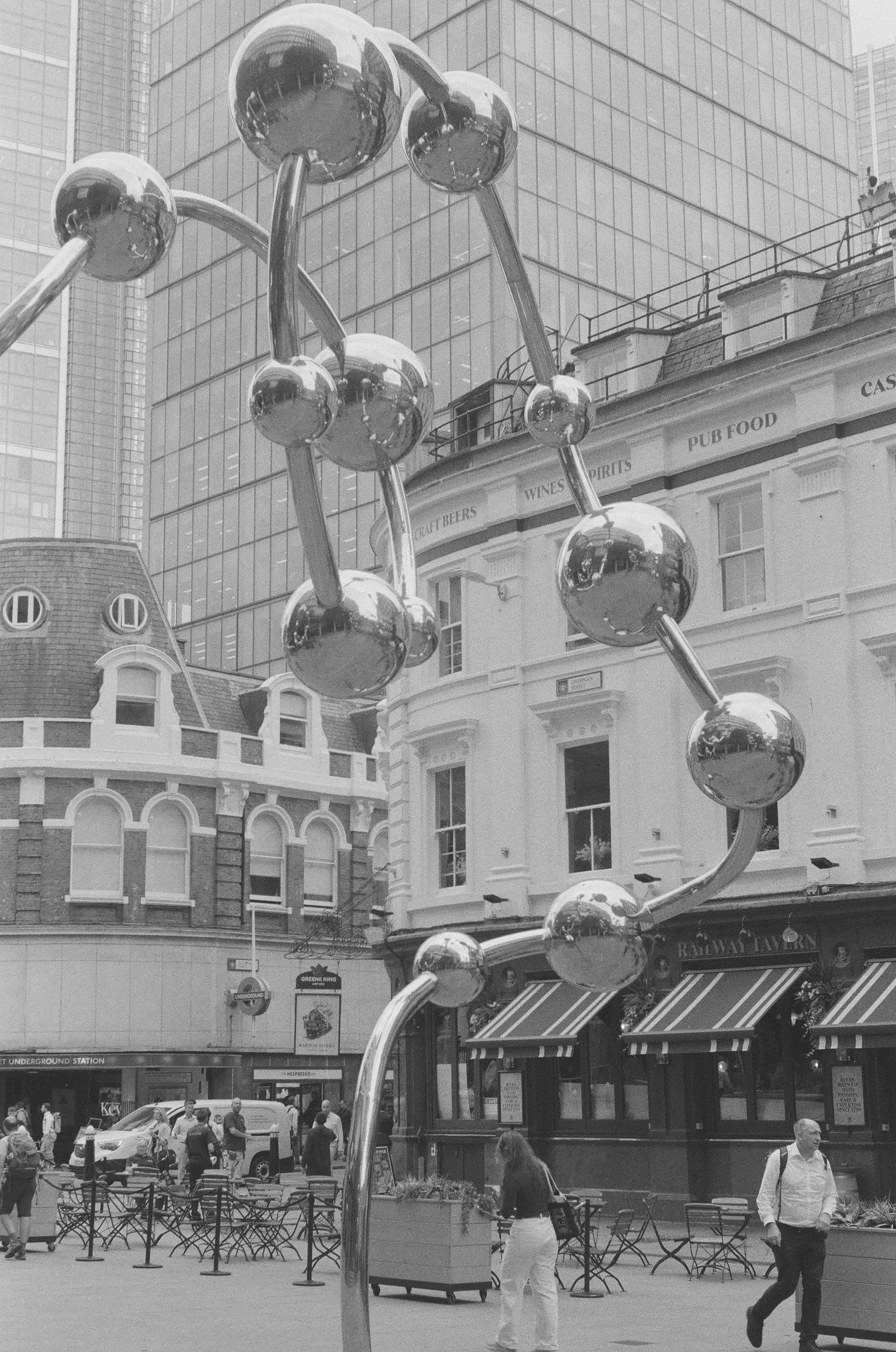
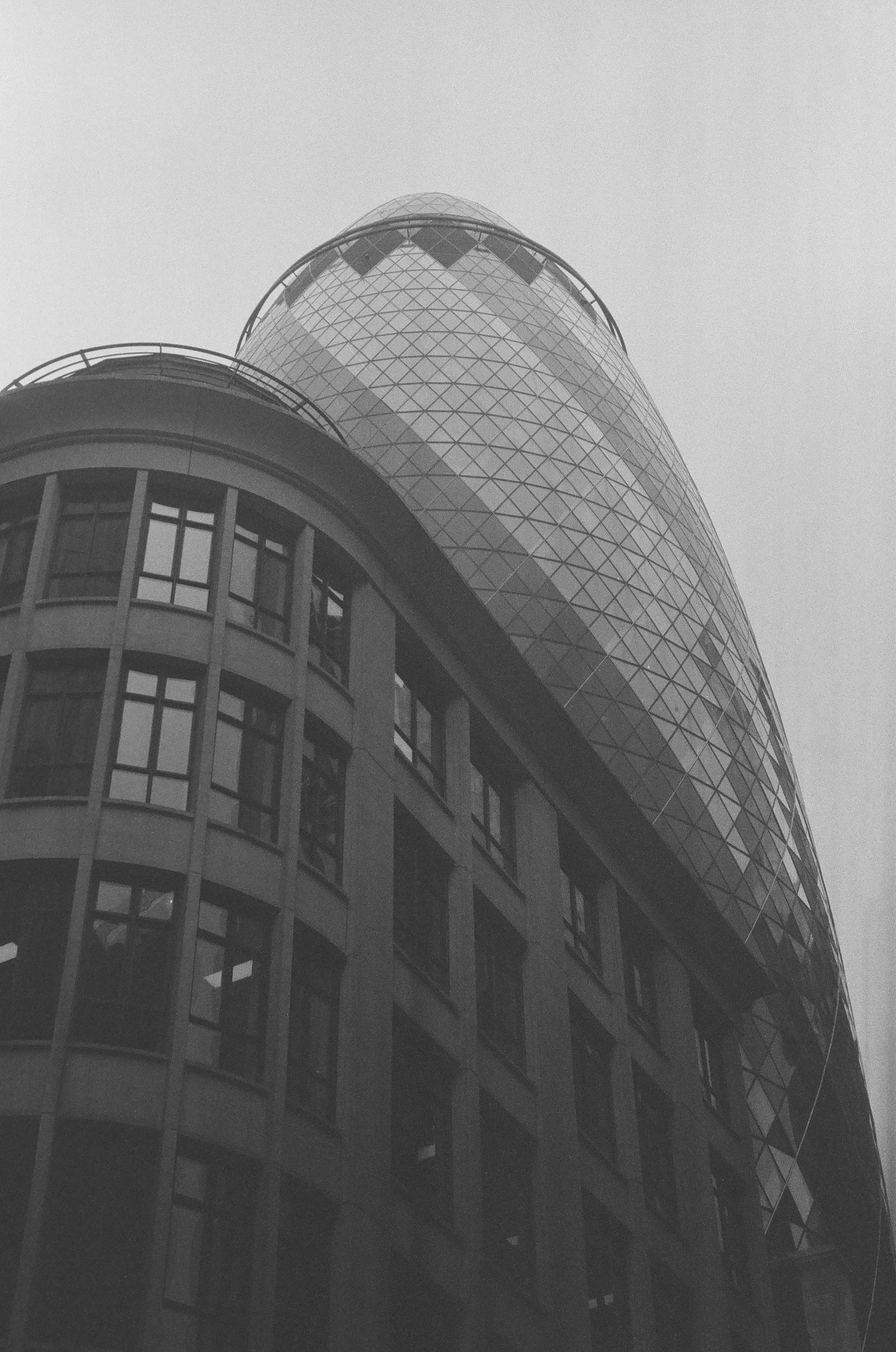
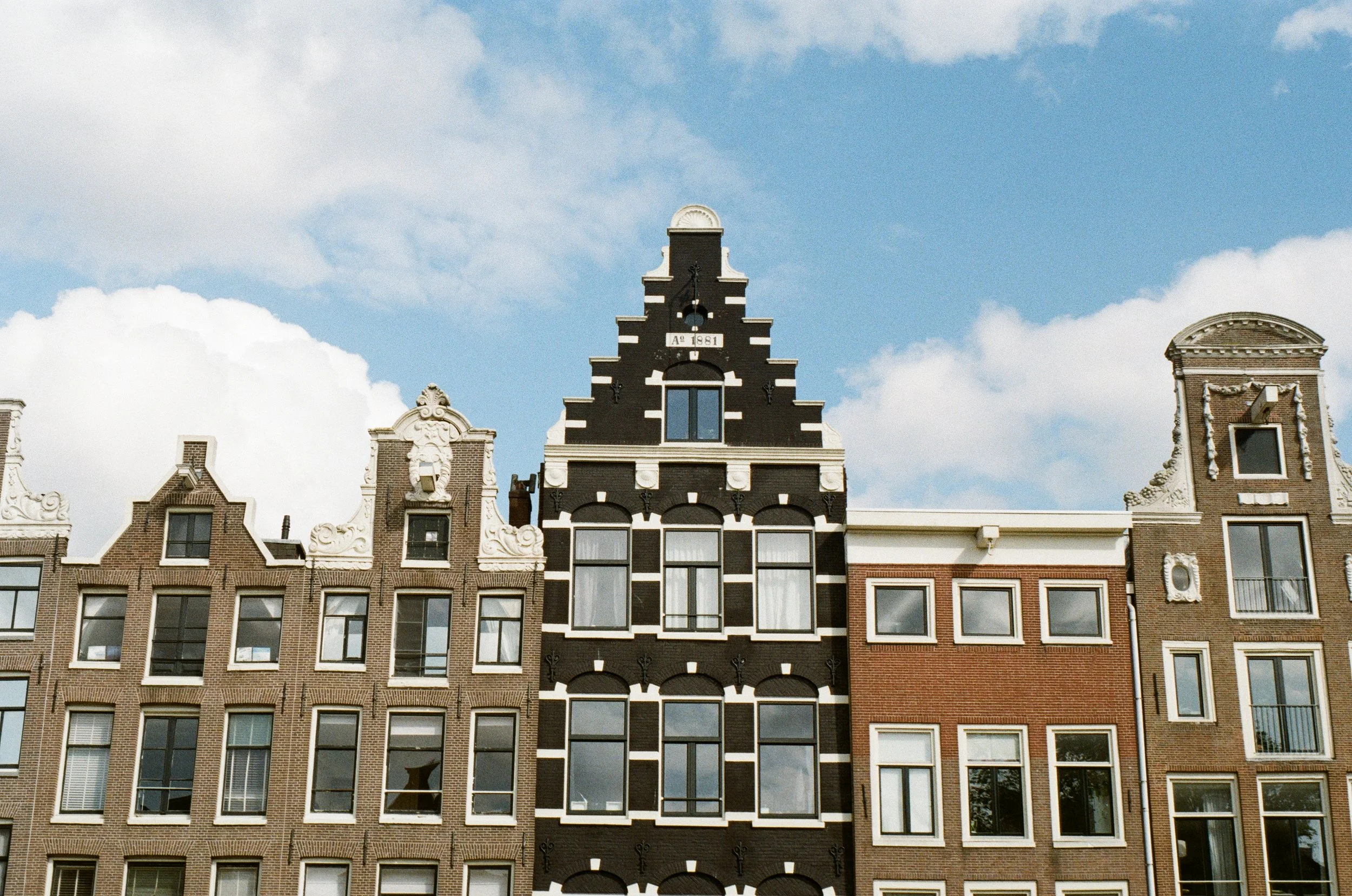
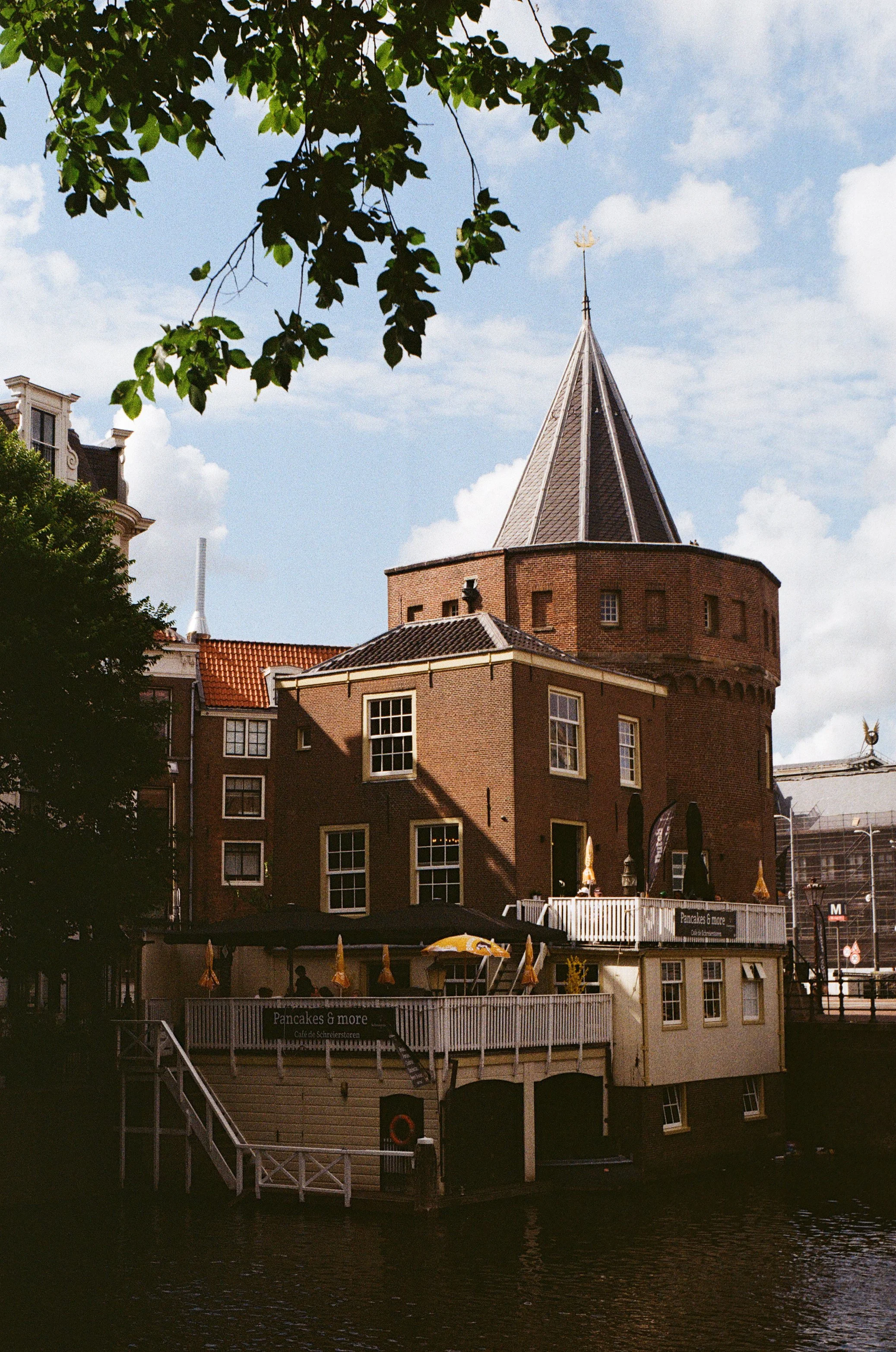
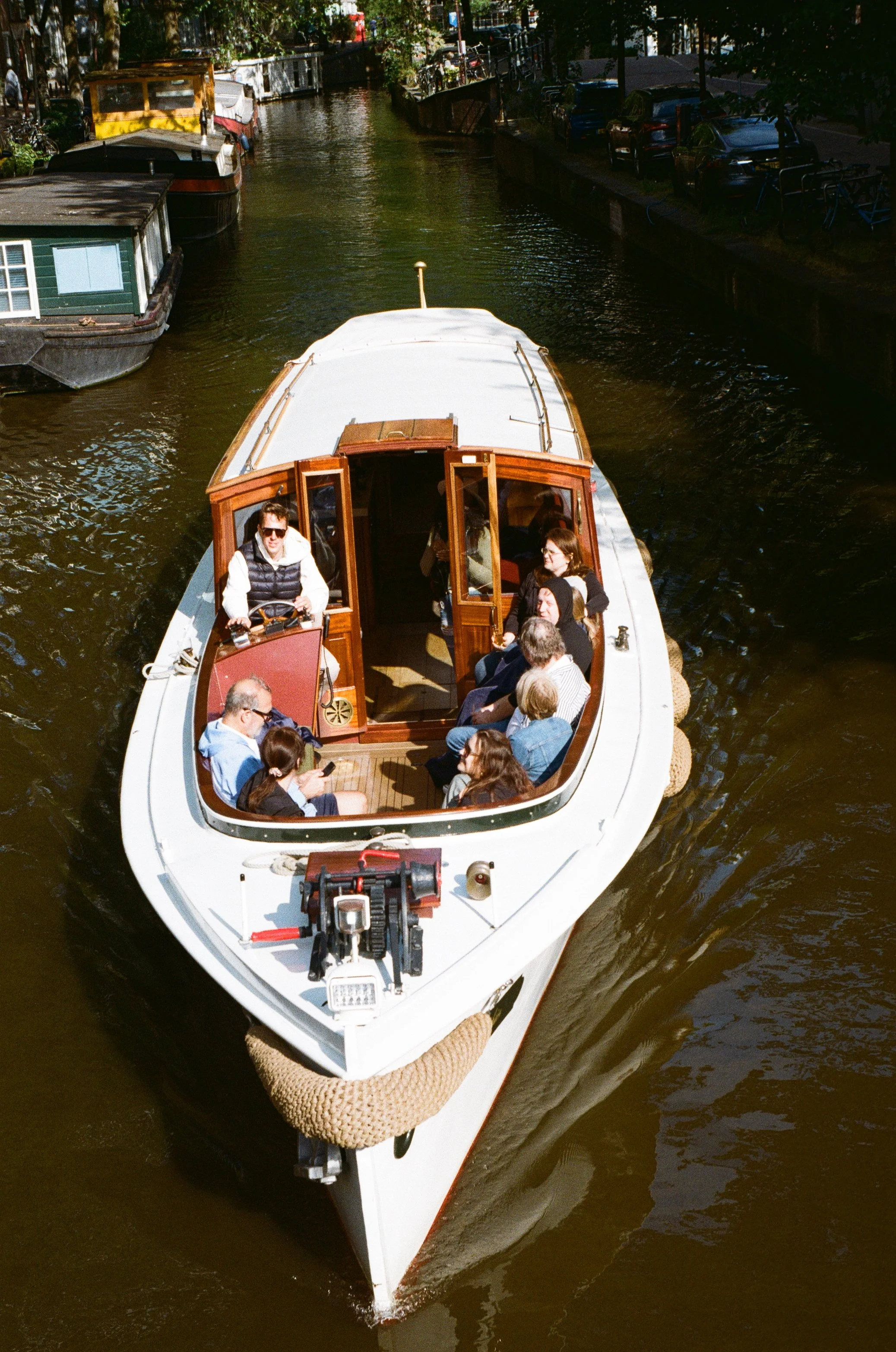
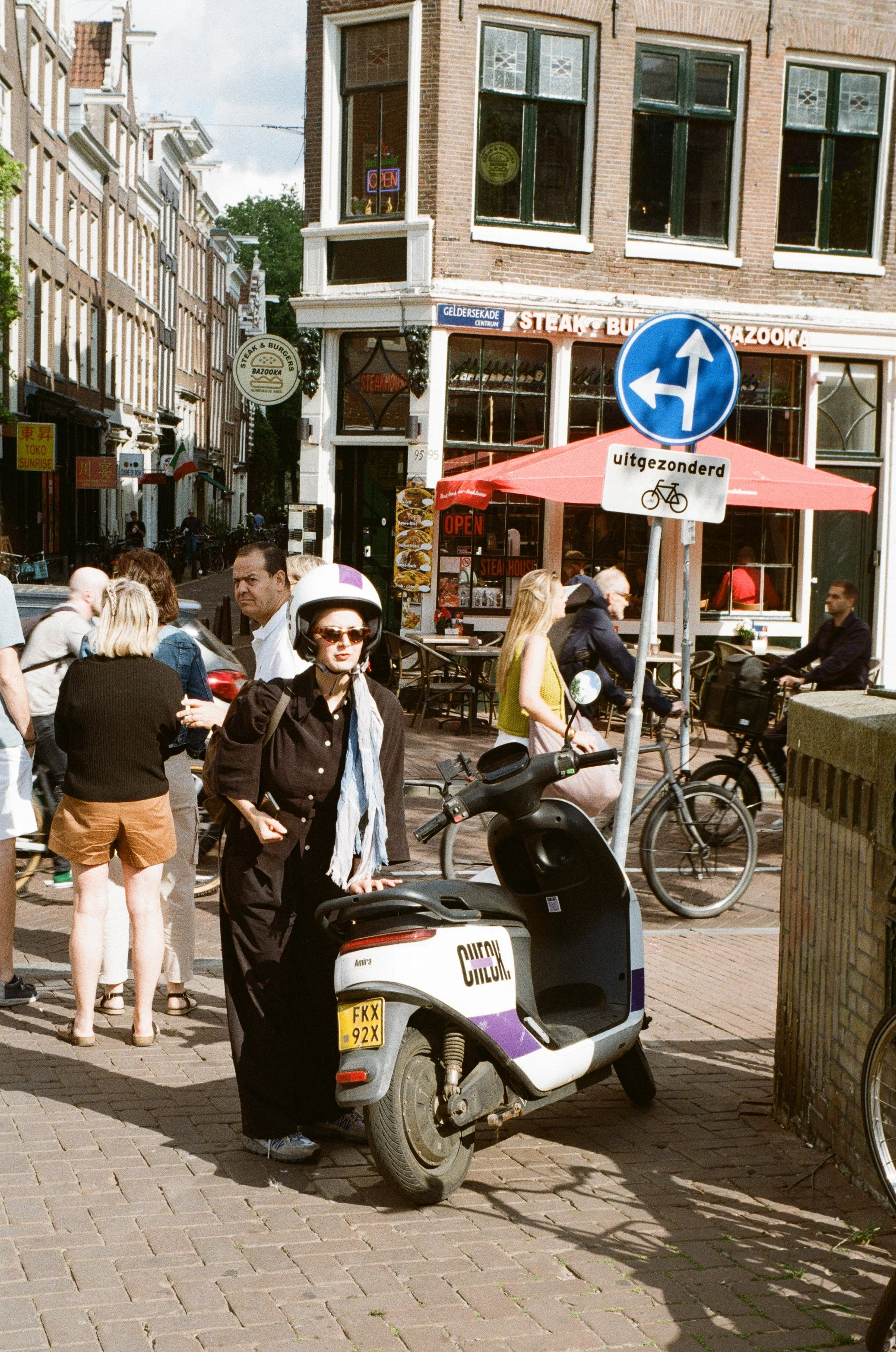
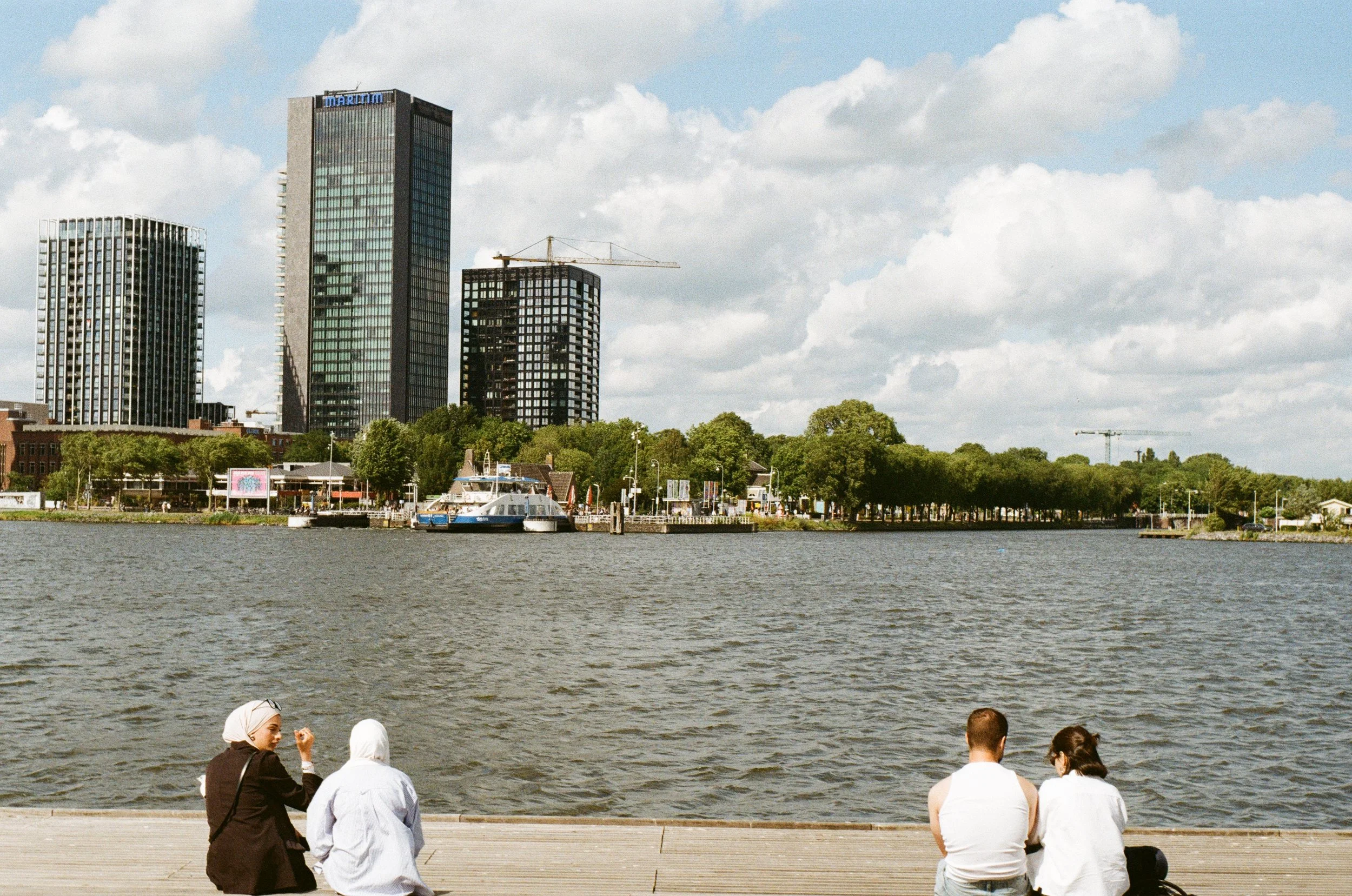
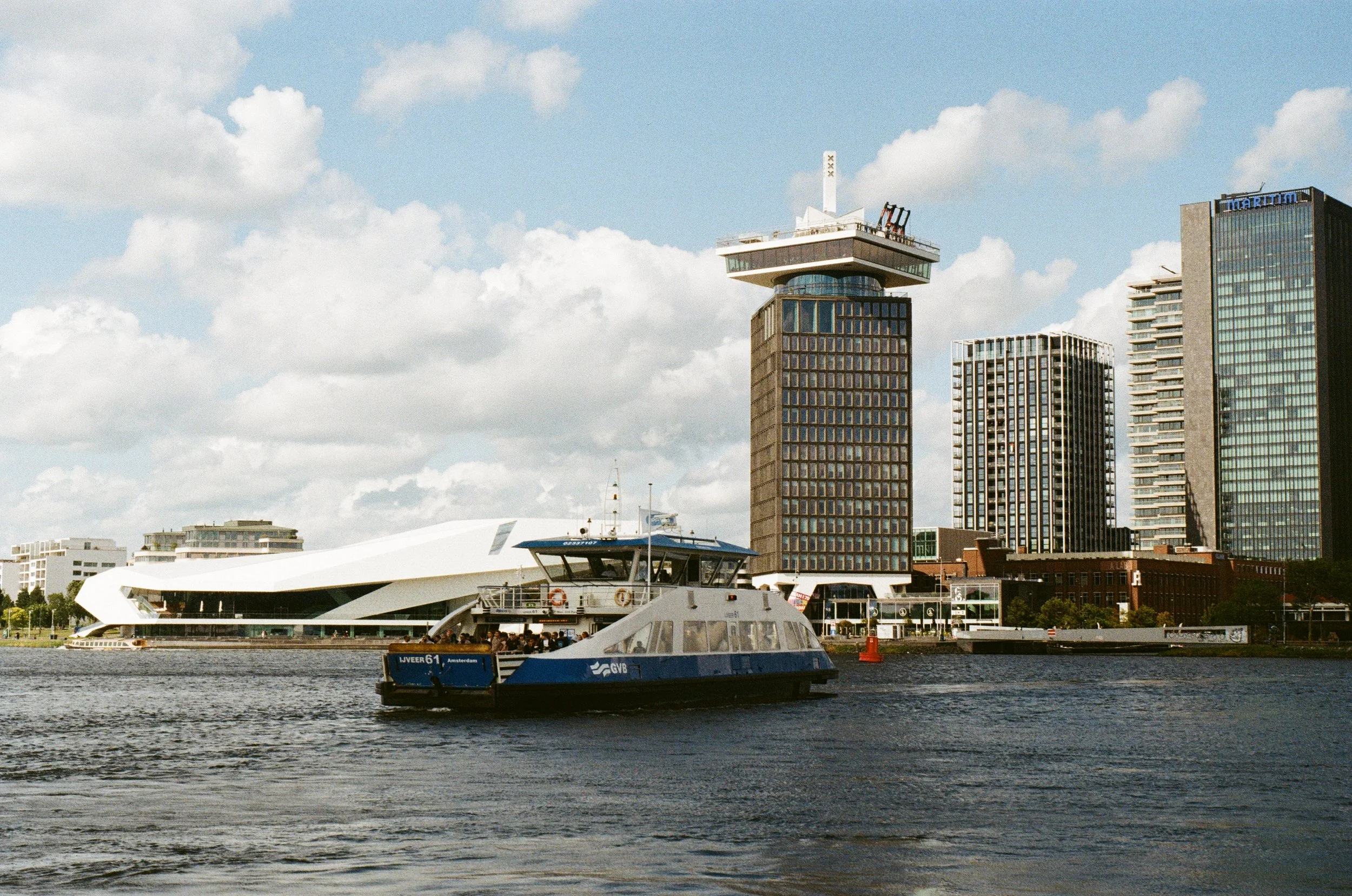
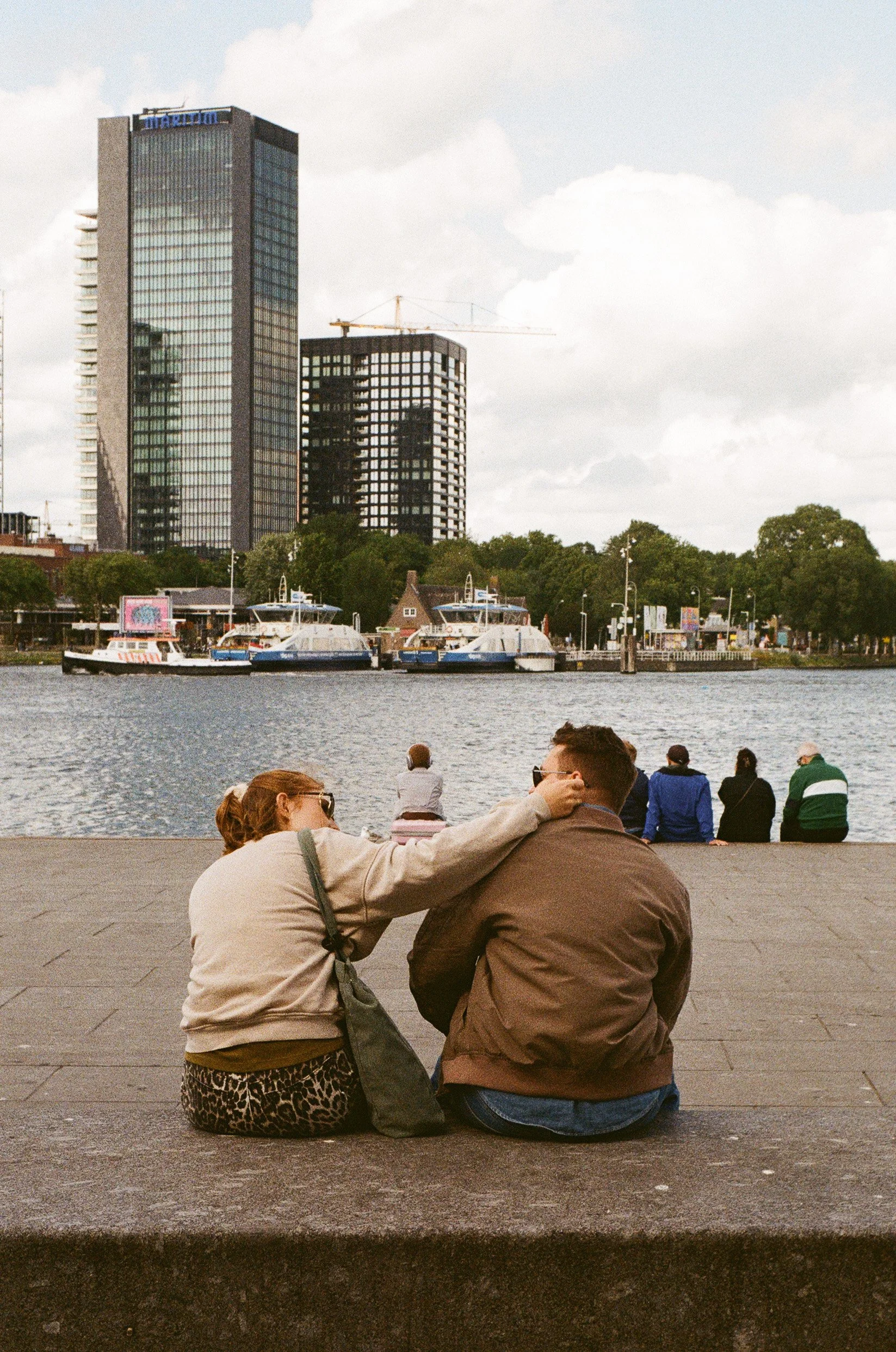
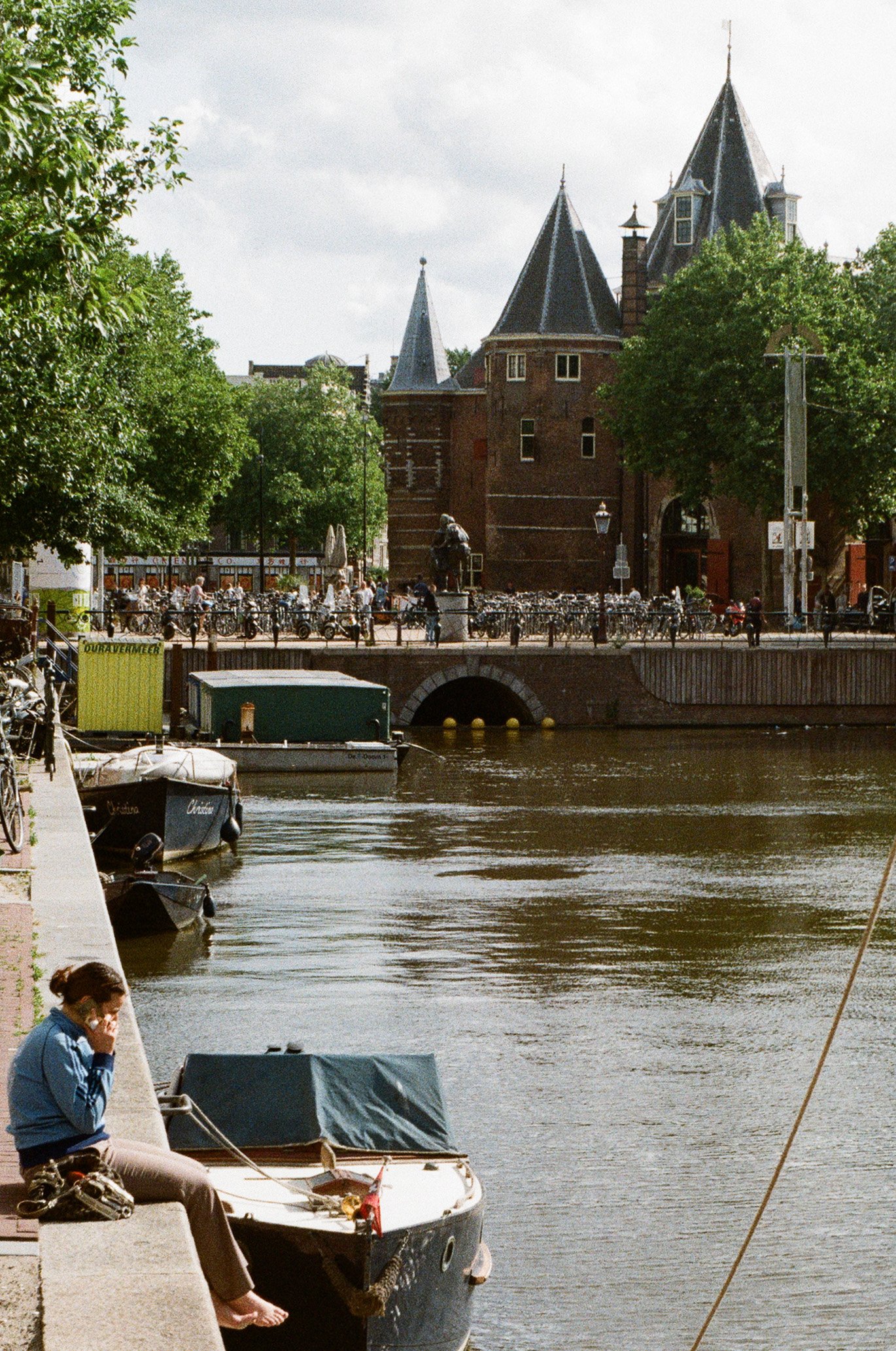
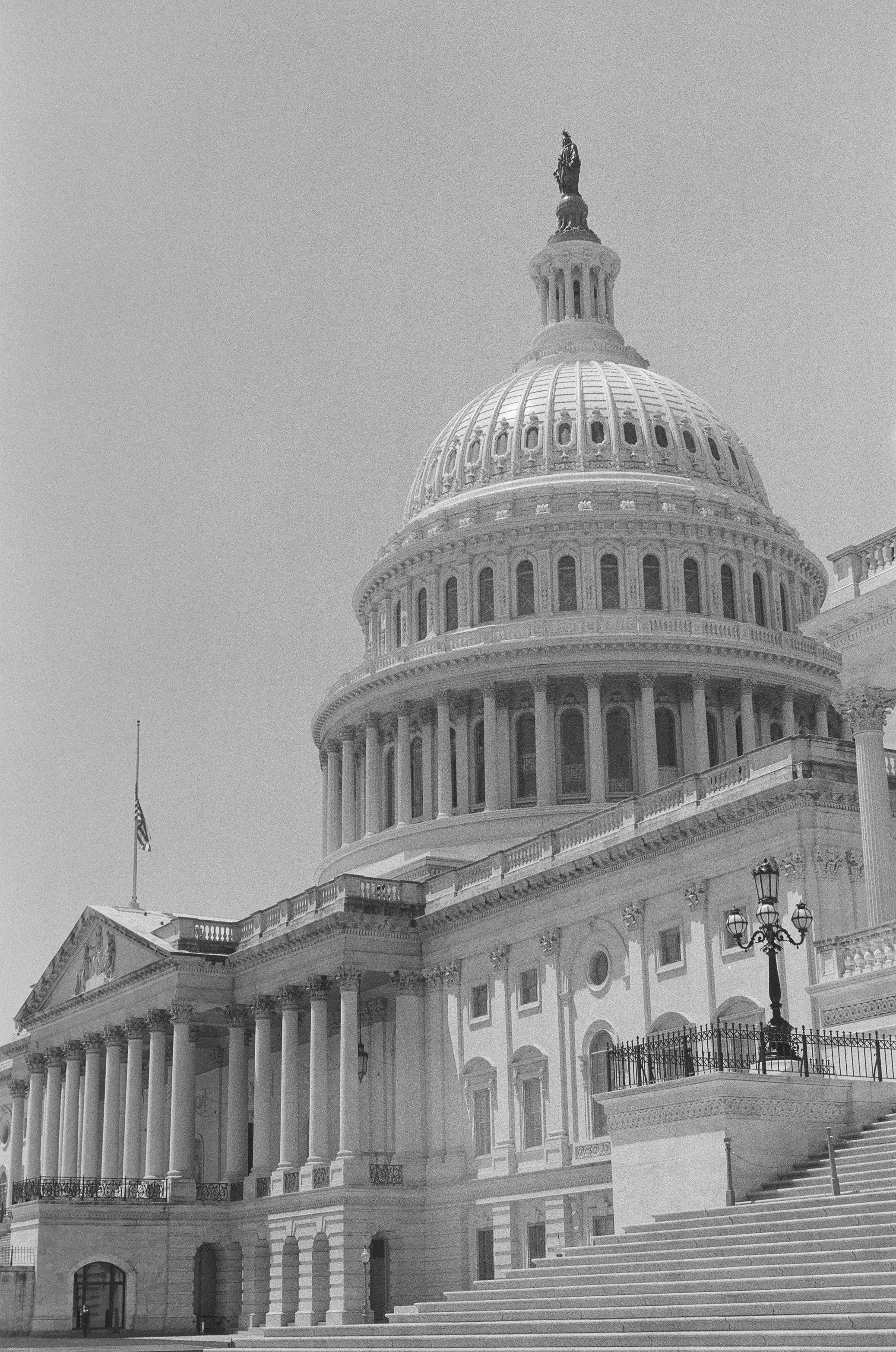
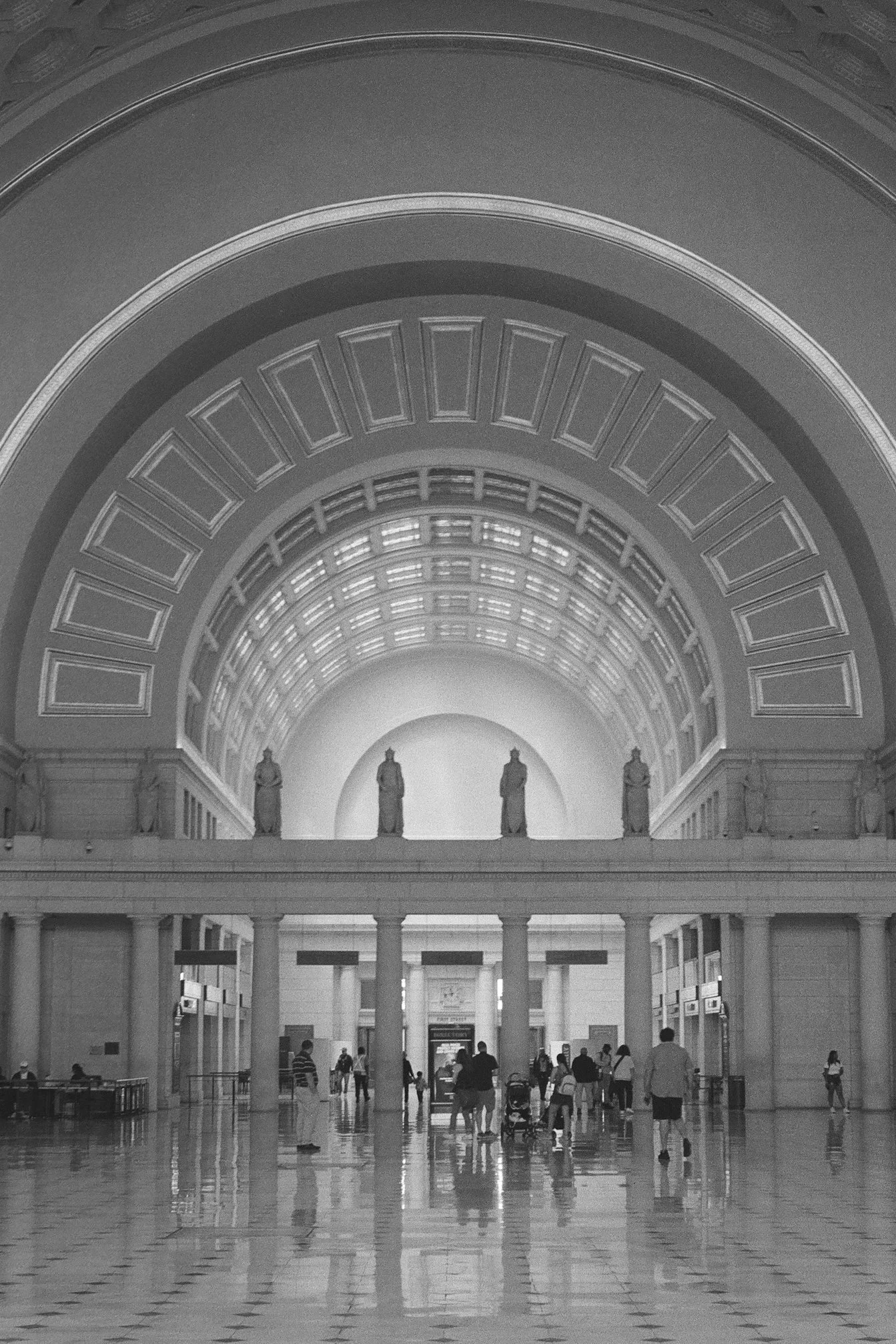
I’ve taken this camera to Amsterdam, and shot with this locally in London and Essex and have had some great results. Check out the gallery at the end (I’ve also included a couple of the in focus photos from Washington D.C.)
final thoughts
Would I say that it’s an everyday analog camera? Definitely not, just like you wouldn’t drive a classic car every single day.
Firstly, due to some of its quirks I have mentioned previously. Secondly, as much as I say that cameras are tools - wear and tear happens and the scratches, scuffs and overall patina tell stories of what it’s been through and where it’s been, my attitude for this is less so for something vintage that is in incredible condition, at least visually (a full service may admittedly say otherwise) - a 76-year-old-camera isn’t as easy to replace and fix. For something analog that’s easier to shoot with and one where I’m less concerned if something happens to it, I have an Olympus OM-2n.
Going back to analog photography in general, would I say I love it? No. Well, at least not at the moment.
Don’t get me wrong, I love the idea of not having to think about battery life (X-T3 users will feel my pain), I enjoy the challenge of being limited to 24 or 36 exposures, it forces me to slow down, be considerate and purposefully choose and find moments that really matter. And when it comes to shooting whilst travelling, when I’m out of film, I can switch off and relax and enjoy my surroundings.
I do find with digital, my mind is constantly thinking about the next photo opportunity and that’s not always a great place to be whilst you are in a brand-new country or city. Despite my love for photography, and as much as I love the challenge of coming back home with beautiful and unique photos that I can share, the memories without a camera are equally as important.
When it comes to going out and taking photos though, I enjoy digital for the convenience, the technical prowess of modern cameras, being able to capture more as well as being able to instantly have access to a baseline as to how I am shooting and making any changes. There’s something reassuring about heading back from a day of shooting and knowing that you’ve got some keepers there.
Will my love grow for analog photography though? Absolutely. You never stop learning as a photographer and analog photography is still very much a learning curve, but I’m learning to leica it. 😉
Now, enough of me. Here’s some of the photos from this amazing camera!